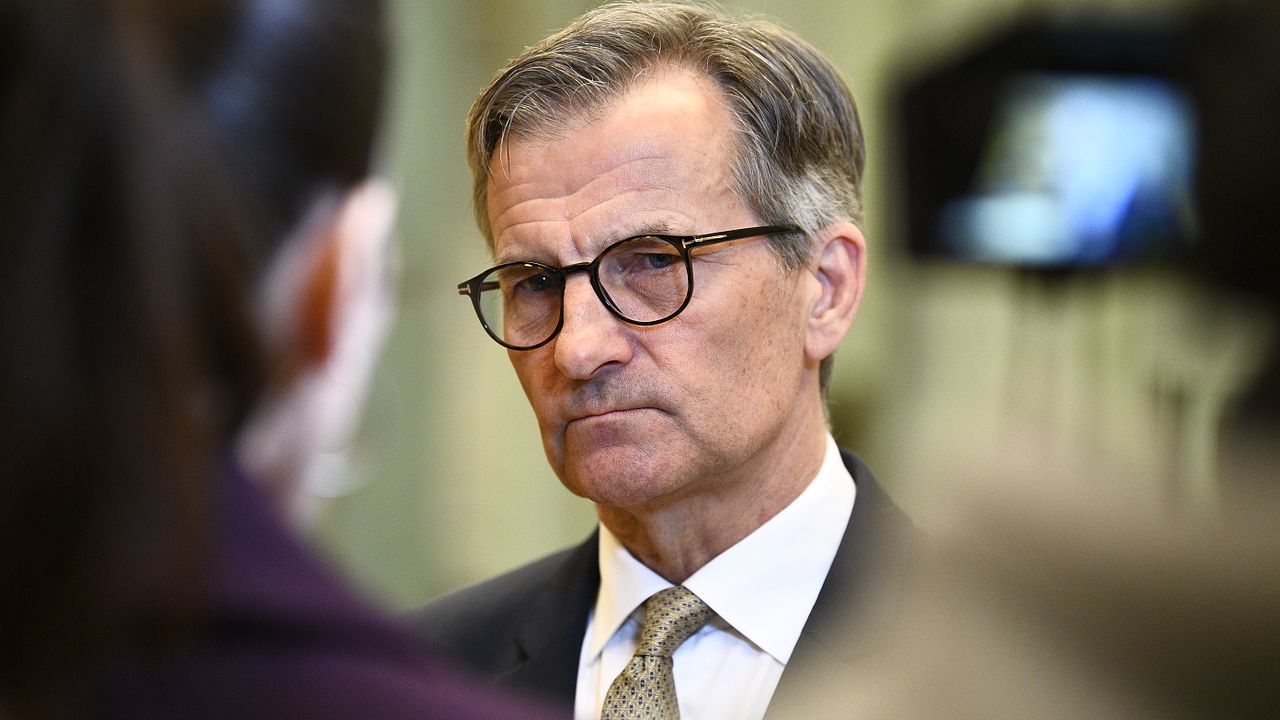
Sweden's central bank, the Riksbank, has raised its policy rate by 0.25 percentage points to 2.00%, according to Omni – Alla nyheter. Alla perspektiv. The decision, announced on Wednesday, 4 November 2026, was widely anticipated.
It is the first increase in more than three years and the first change of any kind to the rate in over a year, the outlet reports.
Why it matters
The move marks a turning point for Swedish monetary policy after a long stretch in which borrowing costs were left untouched. A higher policy rate feeds through to households and businesses over time, typically pushing up costs on variable-rate mortgages and other loans tied to short-term market rates.
According to Omni – Alla nyheter. Alla perspektiv., the Riksbank pointed to three forces behind the decision: a stronger economic cycle, rising inflation linked to the war in the Middle East, and a weaker Swedish krona.
The bank signals more tightening ahead
In a press release cited by the outlet, the central bank said further increases are likely in the coming year if its outlook for inflation and the economy holds. Omni – Alla nyheter. Alla perspektiv. reports that the Riksbank expects to raise the rate again over the next twelve months, provided those conditions remain in place.
That forward guidance matters as much as the hike itself. It tells markets and households that the central bank does not view this as a one-off adjustment but as the possible start of a tightening sequence.
Risks flagged in both directions
The Riksbank also listed several risks that could shift its plans, according to Omni – Alla nyheter. Alla perspektiv. The war in the Middle East could continue, which would keep pressure on prices. The Swedish economy could grow faster than the bank expects. On the other side, demand from abroad could fall, for instance because of geopolitical uncertainty or concerns surrounding large investments in artificial intelligence.
Those risks pull in opposite directions. Faster growth and a prolonged conflict would argue for higher rates; weaker external demand would argue for caution. The bank's stated readiness to tighten further is therefore conditional rather than fixed.
The krona's weakness is part of the backdrop as well. A softer currency tends to make imported goods more expensive, which can feed into consumer prices — one reason the exchange rate features in the bank's reasoning.
What to watch next: the Riksbank's coming meetings and any revision to its inflation and growth outlook, since its signal of further hikes depends on that outlook holding.